E-commerce Website Redesign
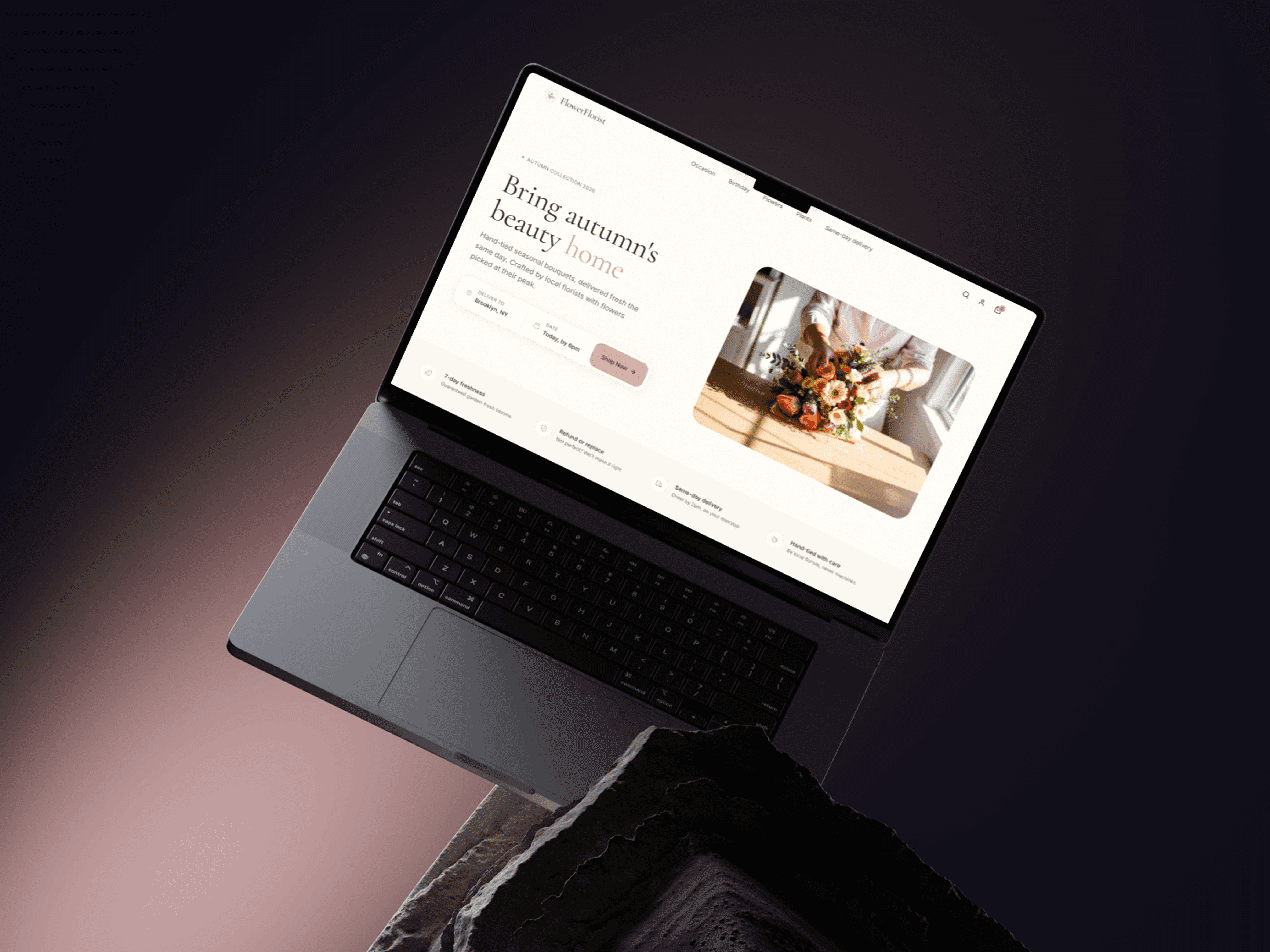
Dallas Flower Florist is an online flower shop based in Texas, delivering fresh floral arrangements across the USA, Canada, and Mexico through a reliable network of local partners.
E-commerce
UX Designer
1 Month-Part time
Group of 2 designers
Tools
Figma, Maze, Gemini
Business Need
Redesign the desktop version of the website with a clear, streamlined process, focusing primarily on information architecture to help users quickly and easily find their desired flowers.
Design Goals
• Simplify Navigation: Redefined the site’s structure to help users find and purchase products faster, reducing decision time and frustration.
• Clarify User Journey: Improve content hierarchy and layout logic to support intuitive decision-making at each step.
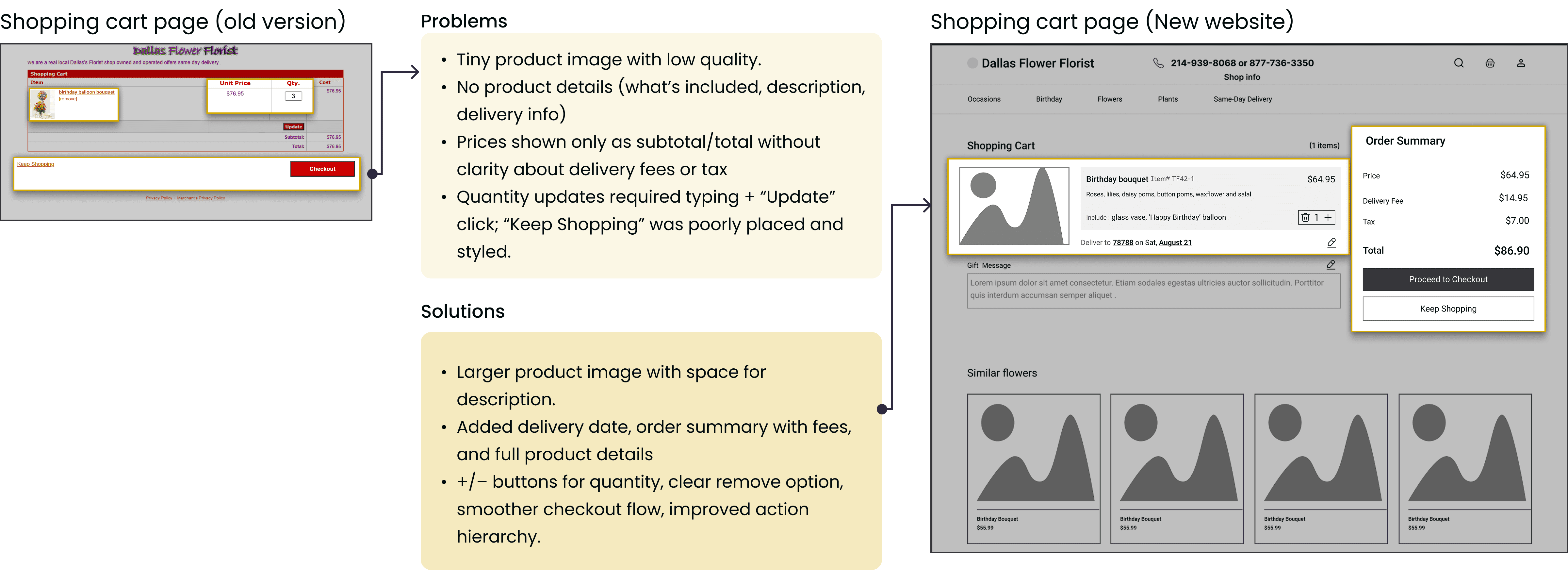
• Enhance Shopping Experience: Streamline key interactions, like adjusting quantities or continuing shopping to reduce friction and improve task efficiency.

We followed the Double Diamond process, starting with user research to uncover key needs, defining the core problem, ideating and prototyping solutions, and refining designs through testing and feedback.
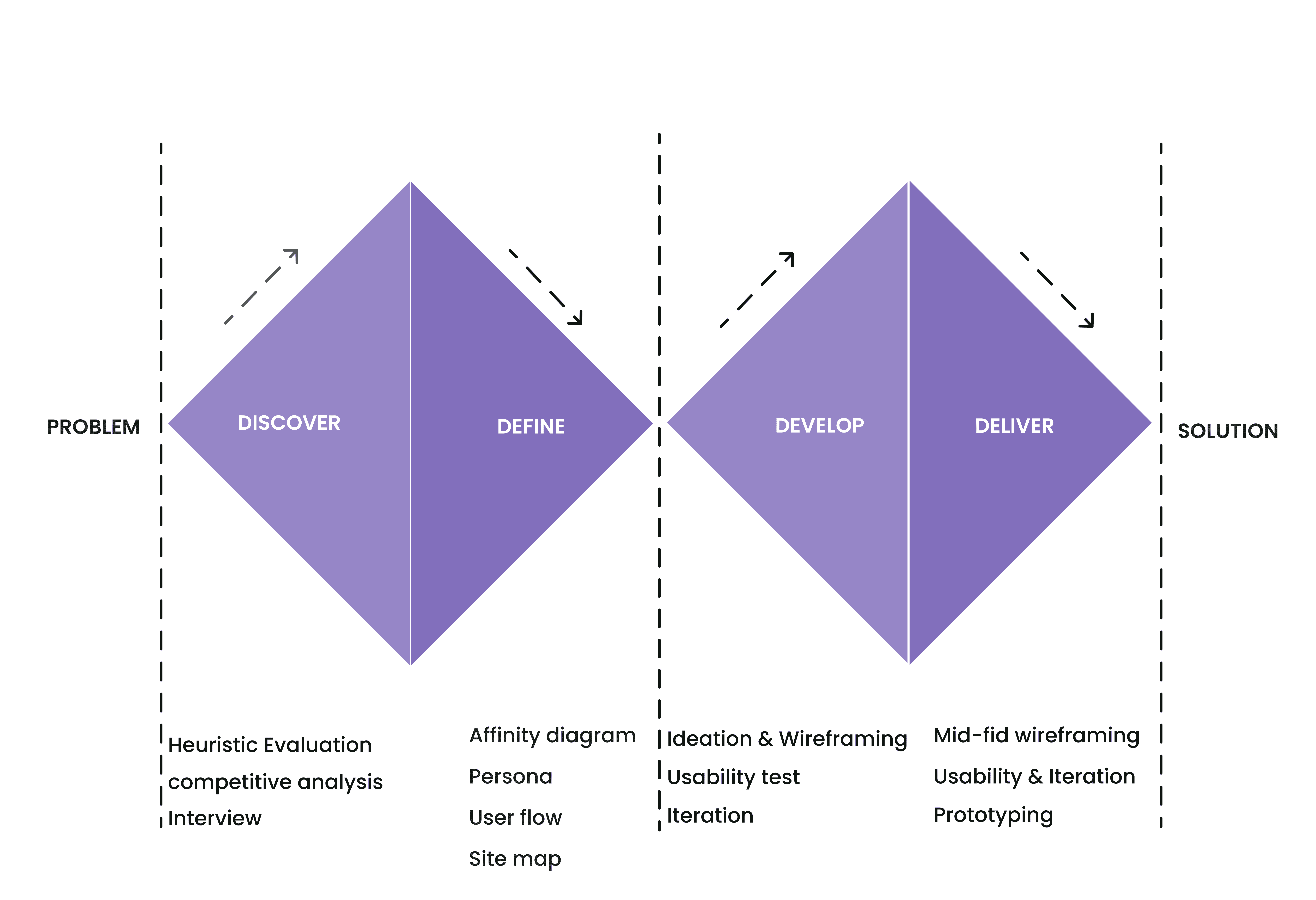

We conducted our Discovery section in three phases
Phase 1: Heuristic Evaluation
Phase 2: User Interview
Phase 2: Competitive Analysis
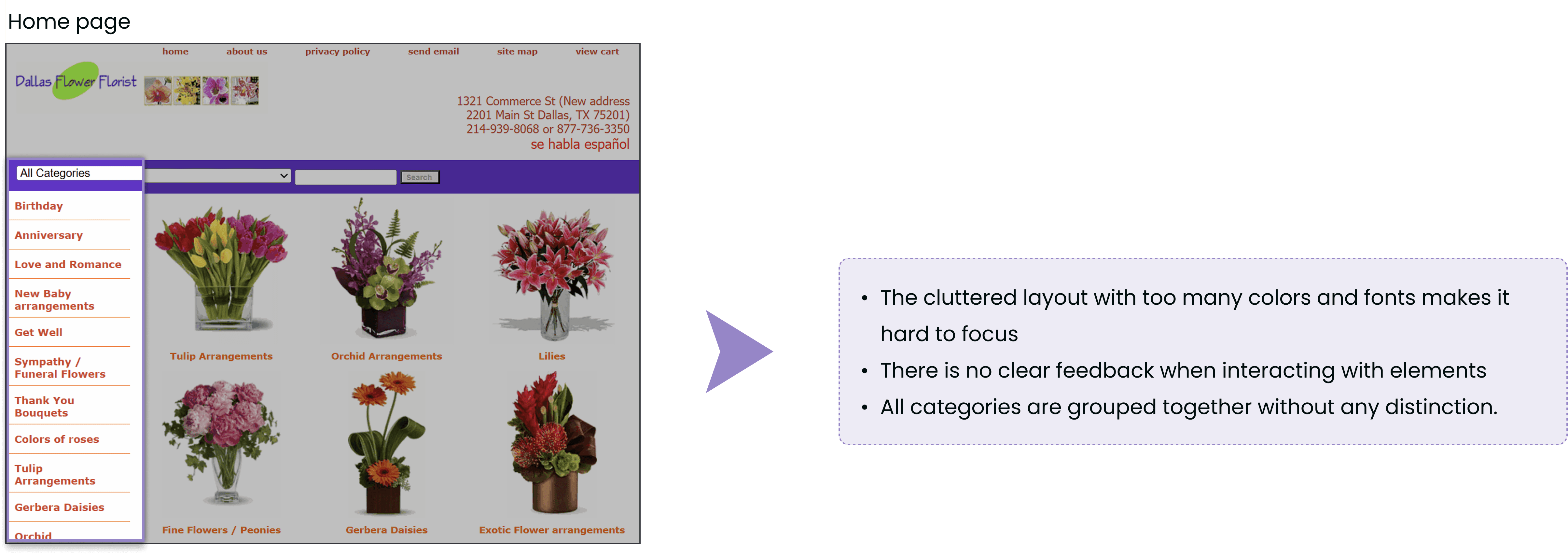
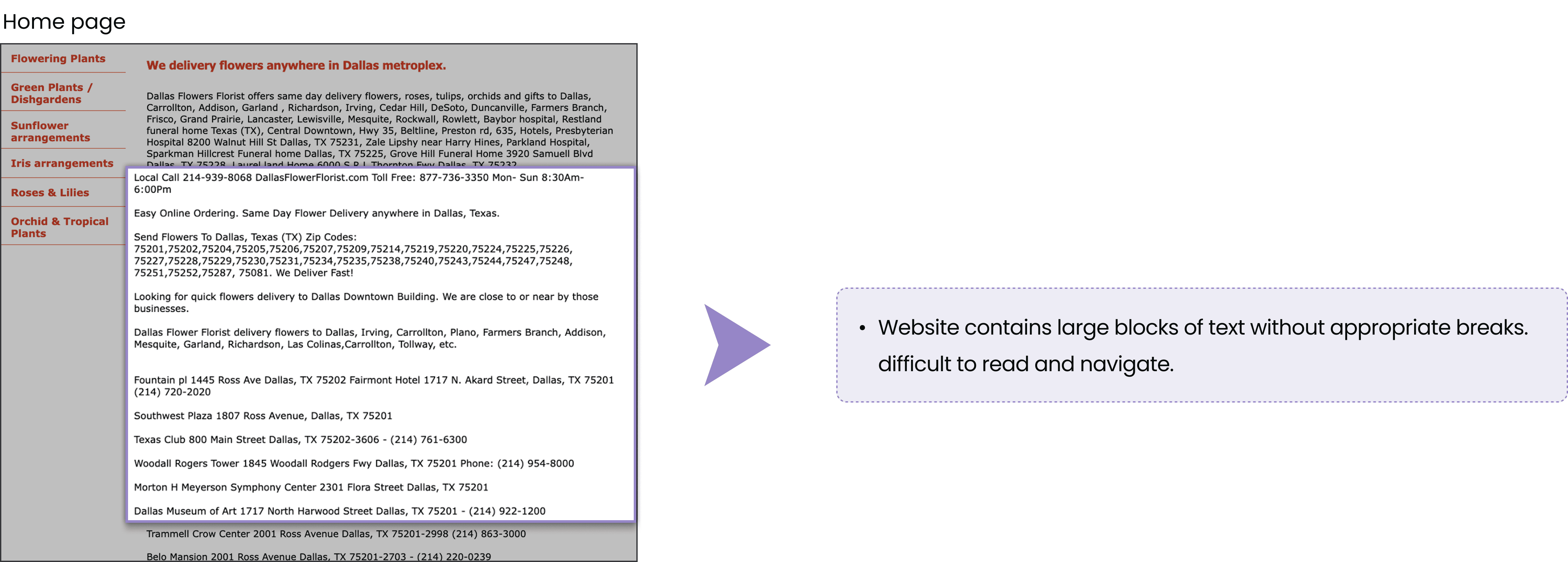
Heuristic Evaluation
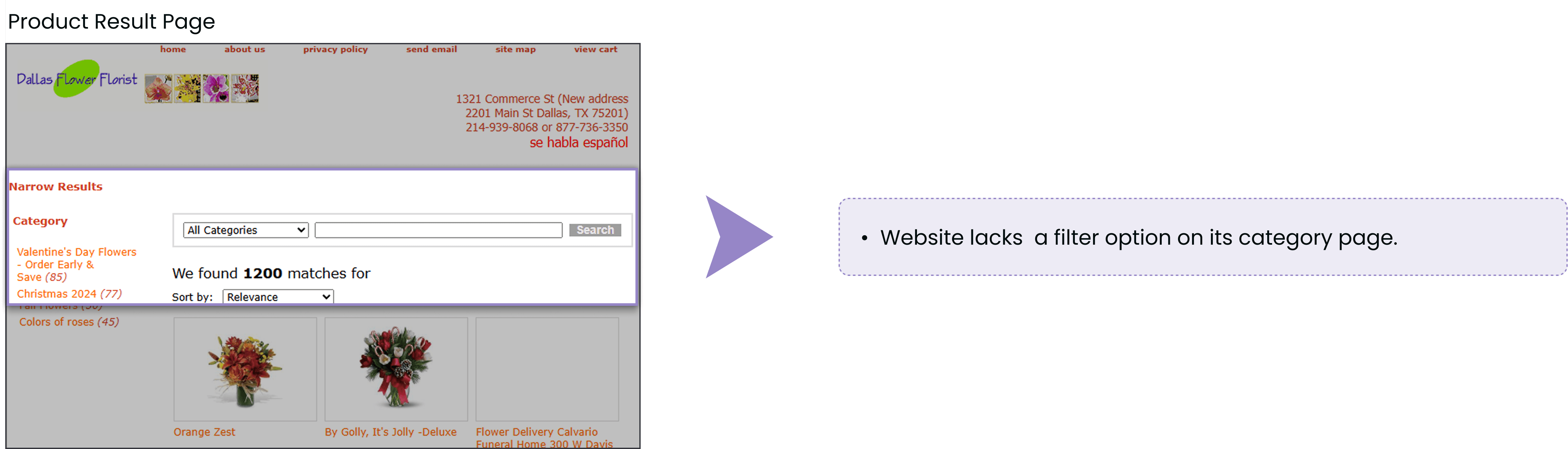
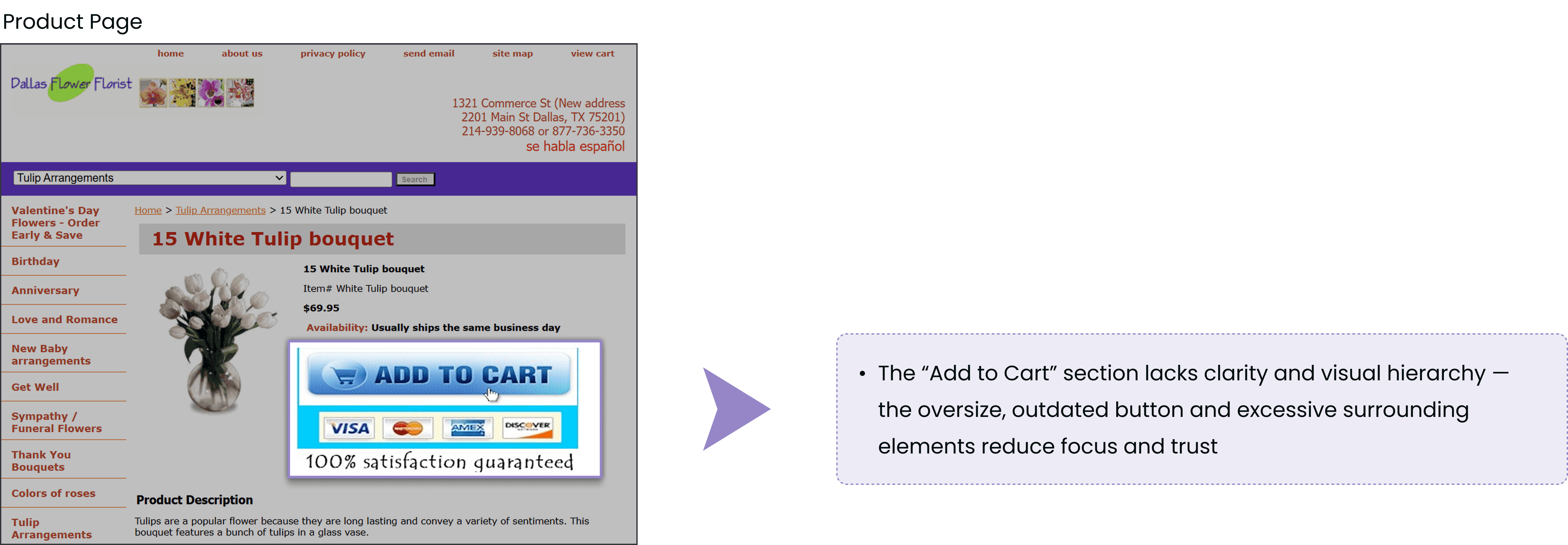
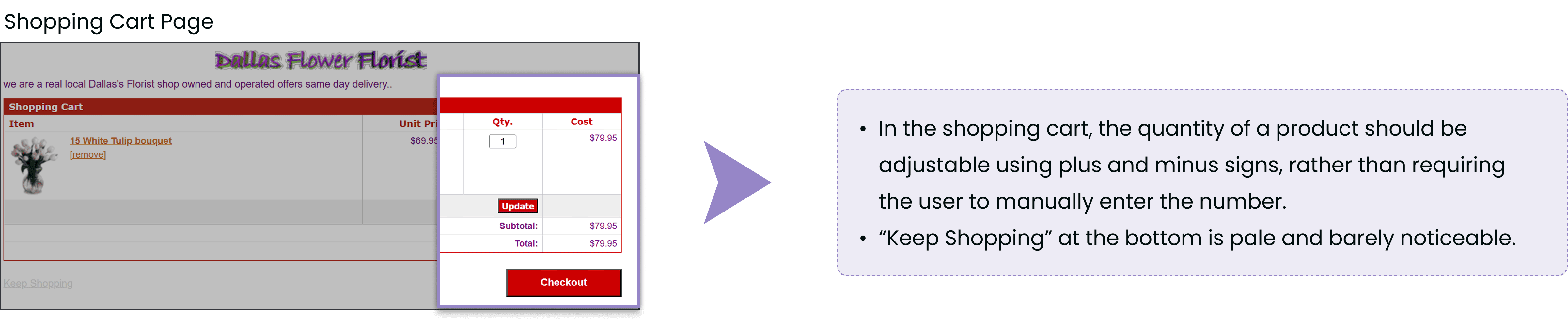
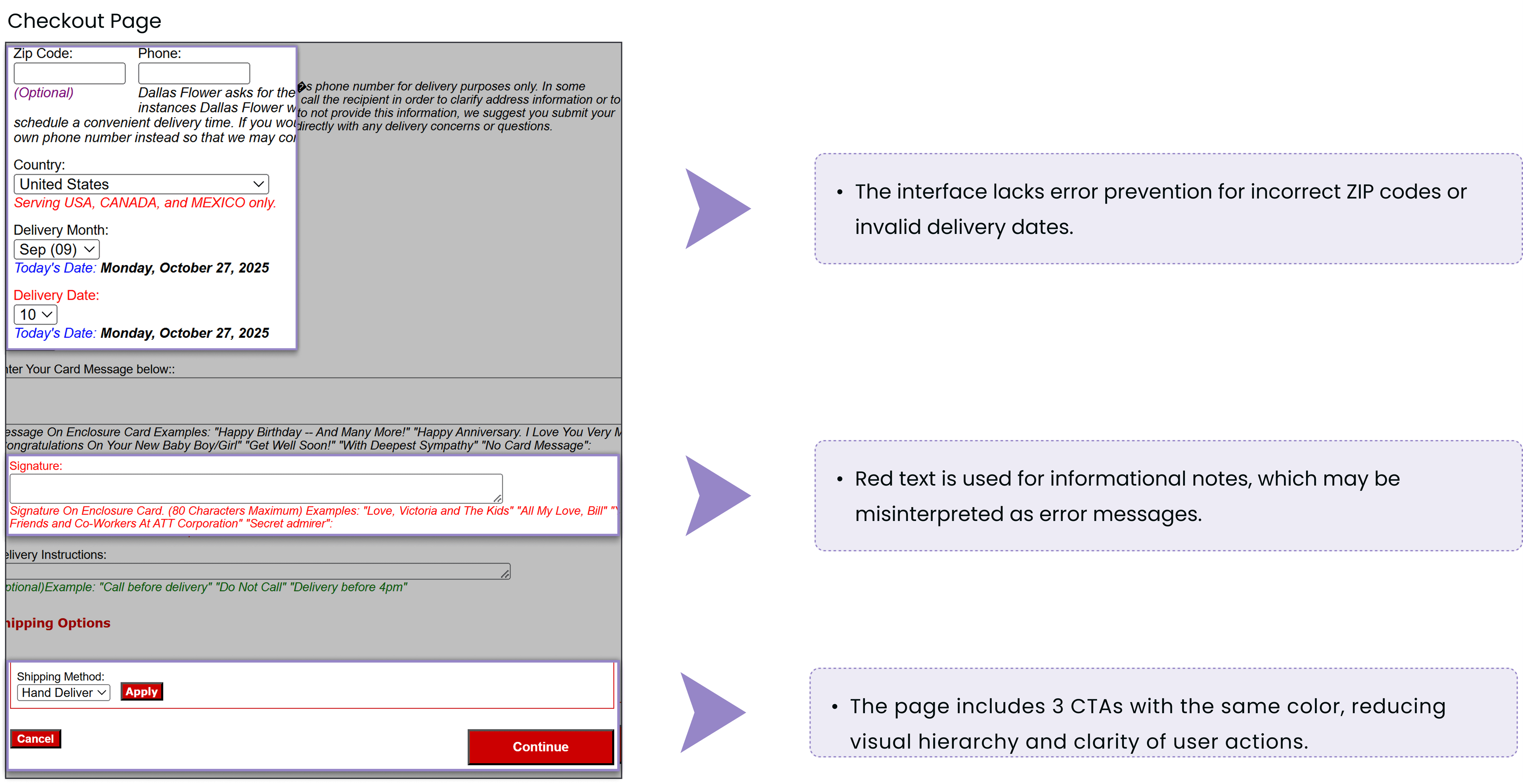
After a thorough examination of the website and a comprehensive heuristic evaluation, we identified key usability issues that contributed to a confusing user journey. These included missing or unclear elements that hindered navigation and overall user experience, highlighting areas that needed improvement.
Competitive Analysis
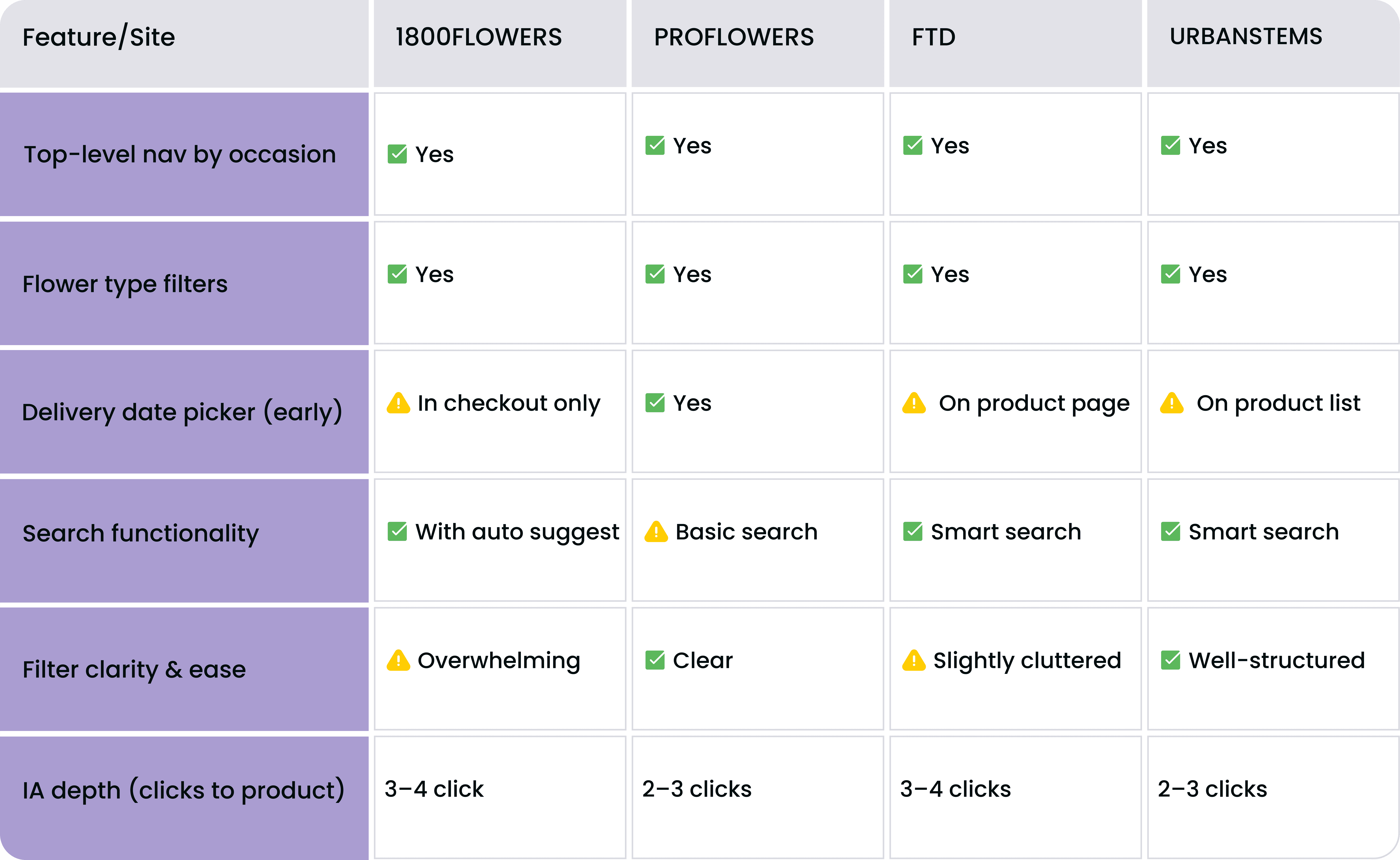
We analysed four competitors, focusing on target market, features, weaknesses, and their information architecture.
Key Takeaways
• Simplify the site’s navigation by aligning it with core user intents, such as occasion and delivery time.
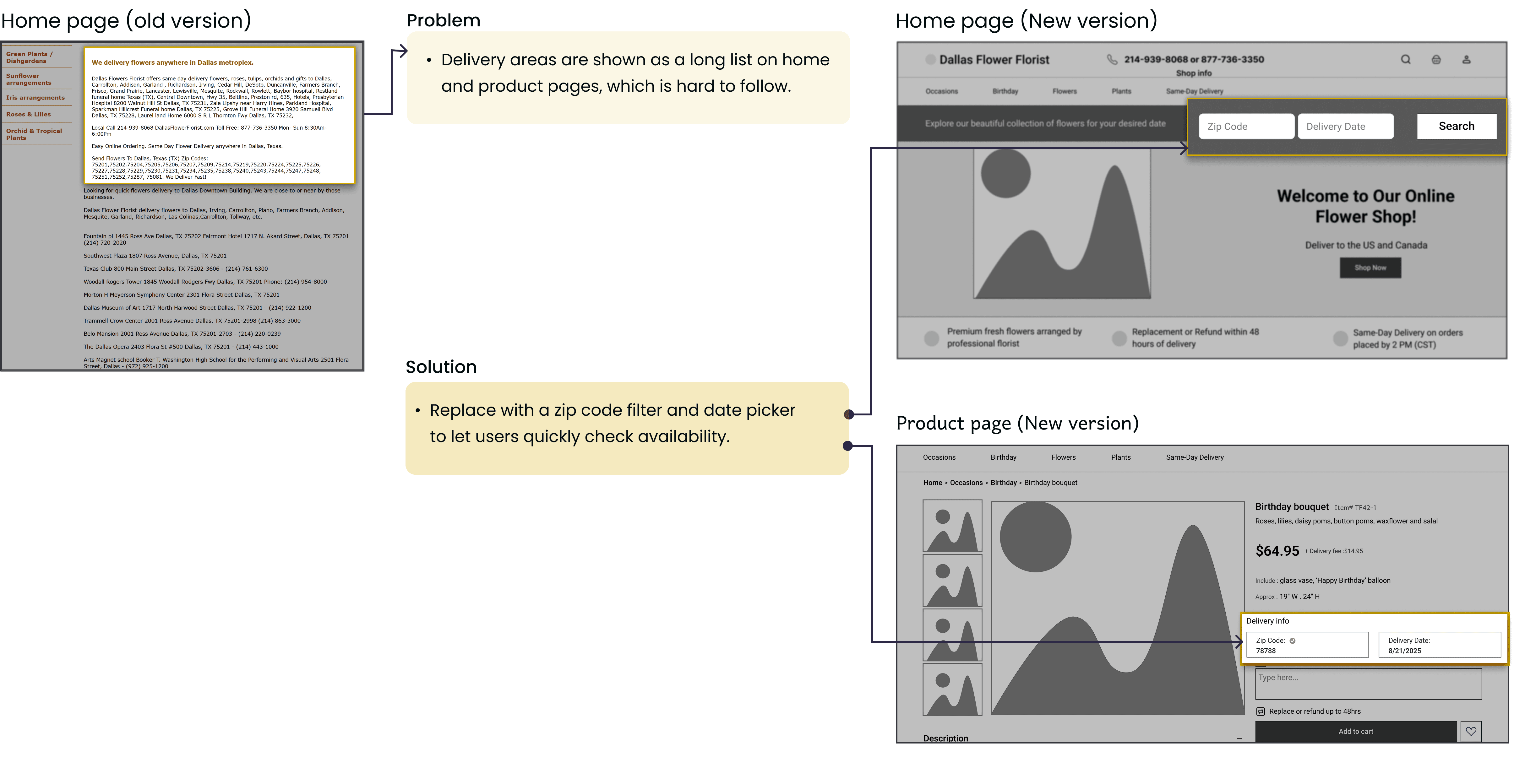
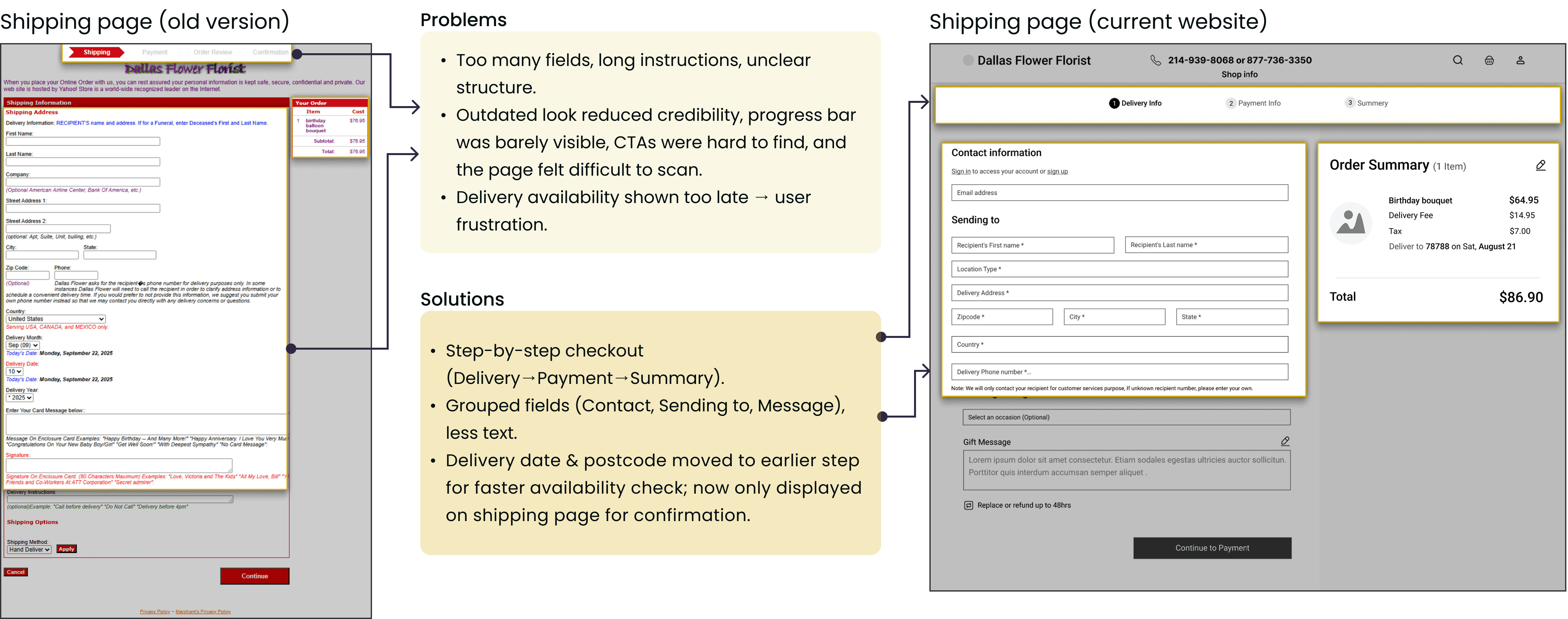
• Bring delivery availability forward in the user journey
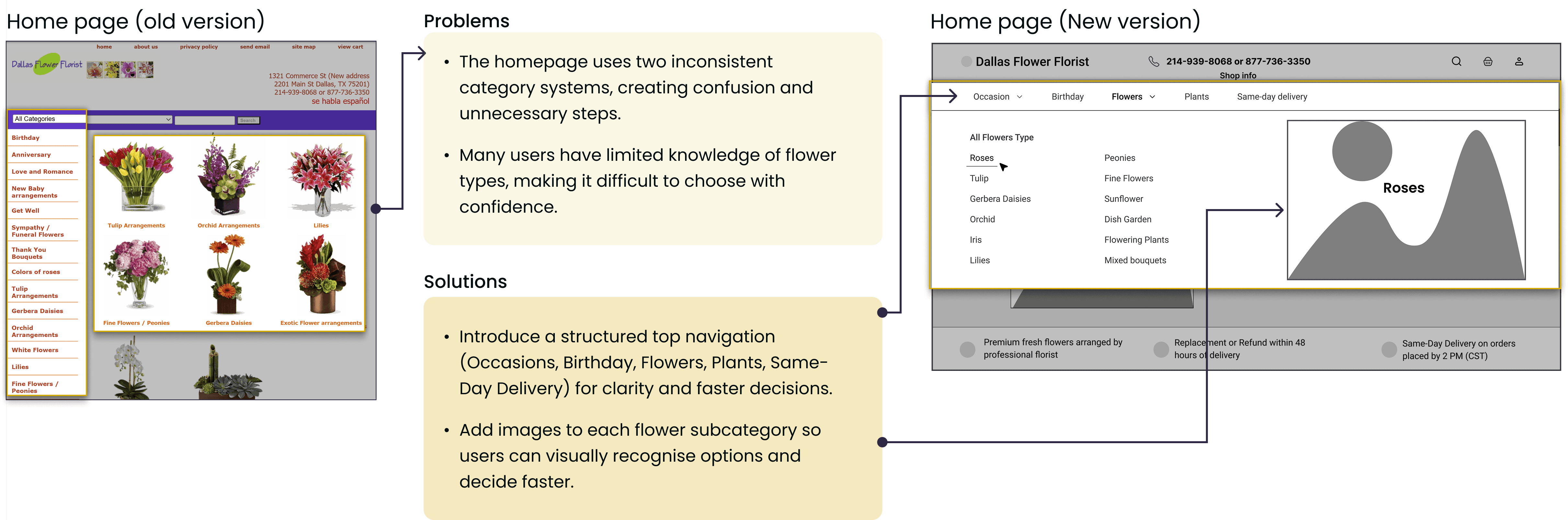
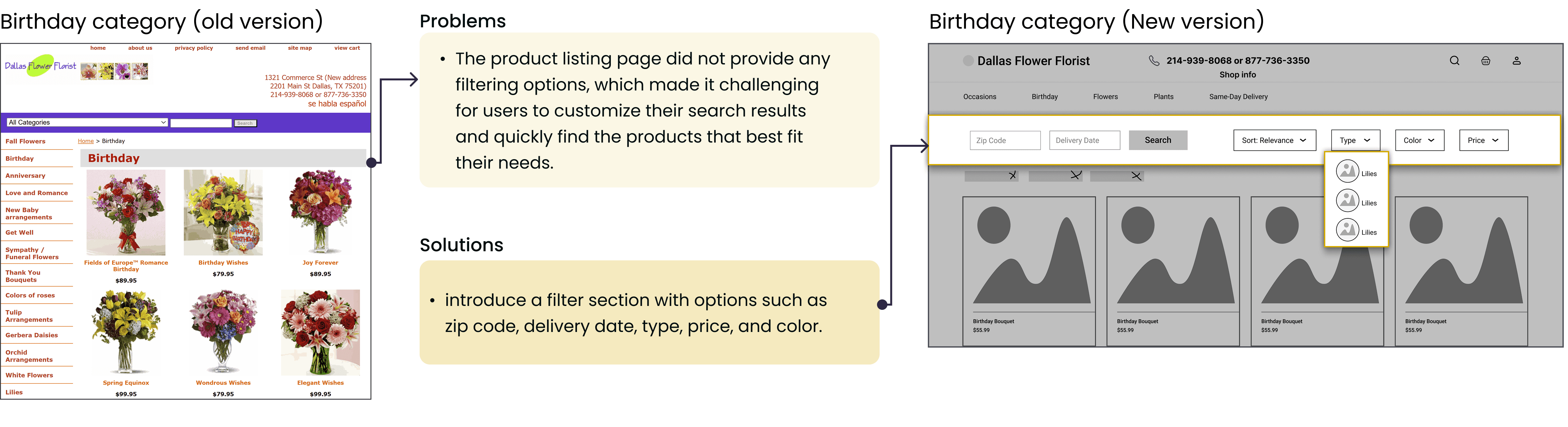
• Design clear category and landing pages that support easy scanning and intuitive filtering.
• Flatten the information architecture by reducing unnecessary layers between the homepage and product pages.
• Use emotional cues in the visual hierarchy to support gifting and create a sense of urgency.
User Interview
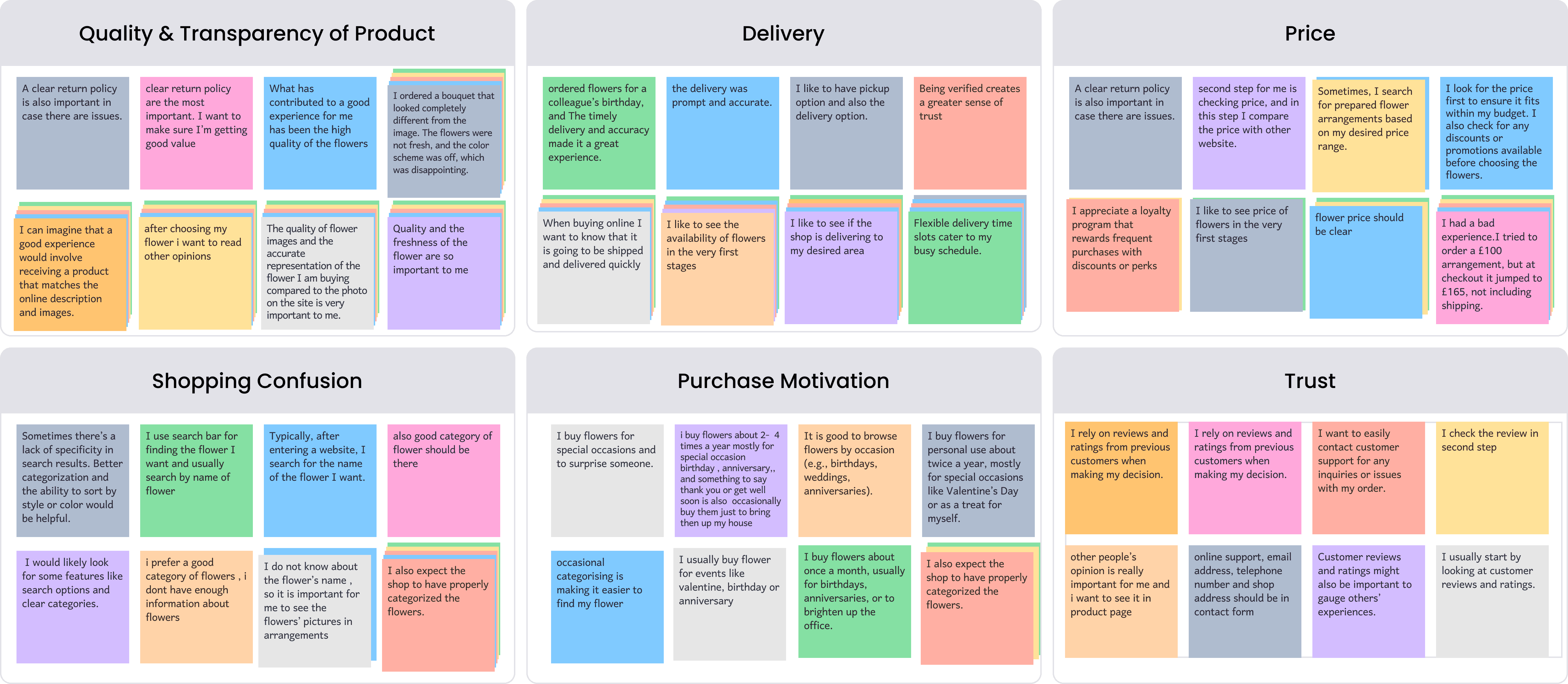
We interviewed 12 users with experience buying flowers online. The insights were organised into an affinity diagram to identify key needs and pain points. By asking a mix of open and closed questions, we were able to shape a clear persona and design with purpose.
Key Takeaways
• Customers prioritise fresh, high-quality flowers and clear product info that matches delivery.
• Customers want clear delivery availability by date and location.
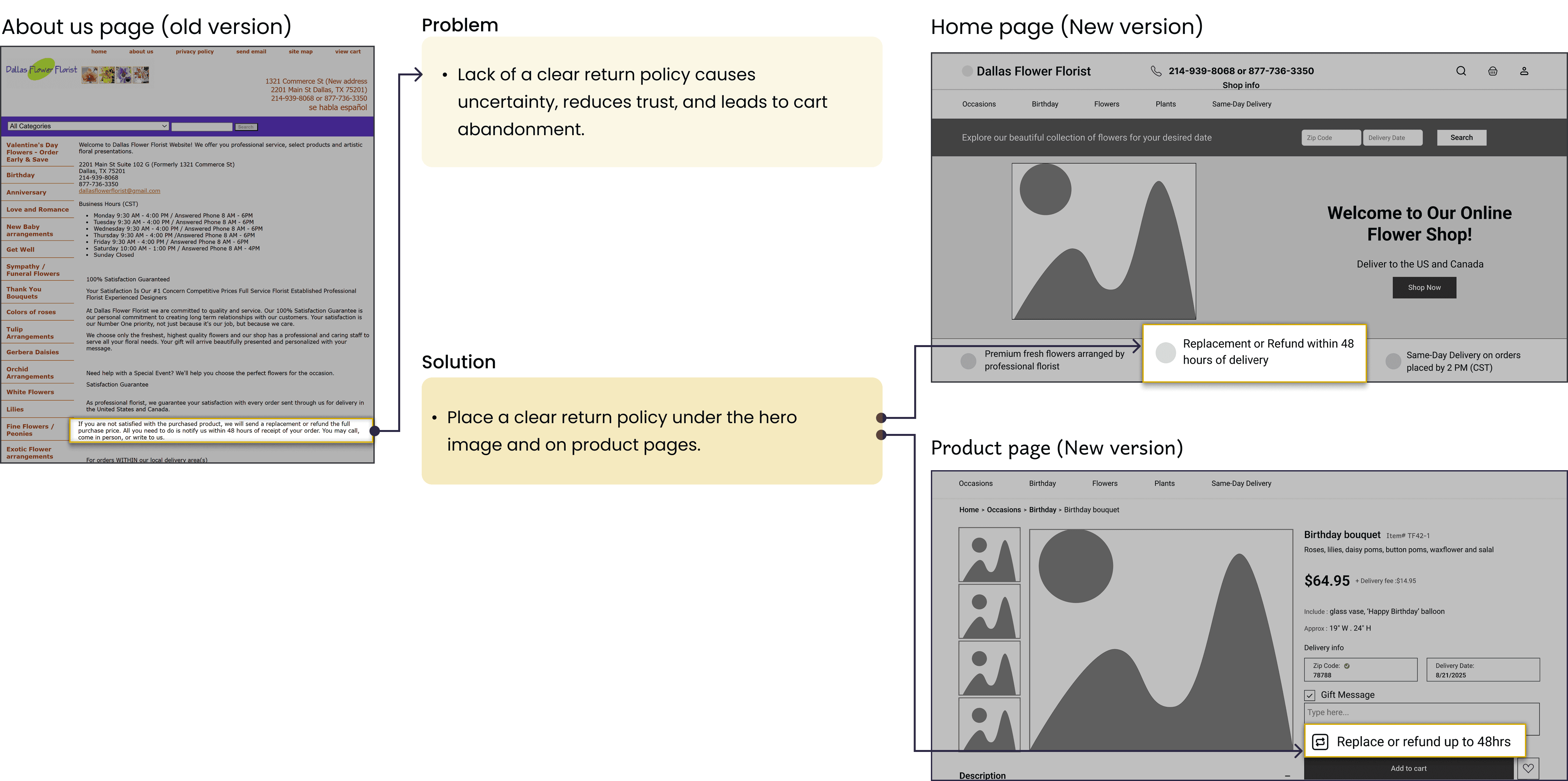
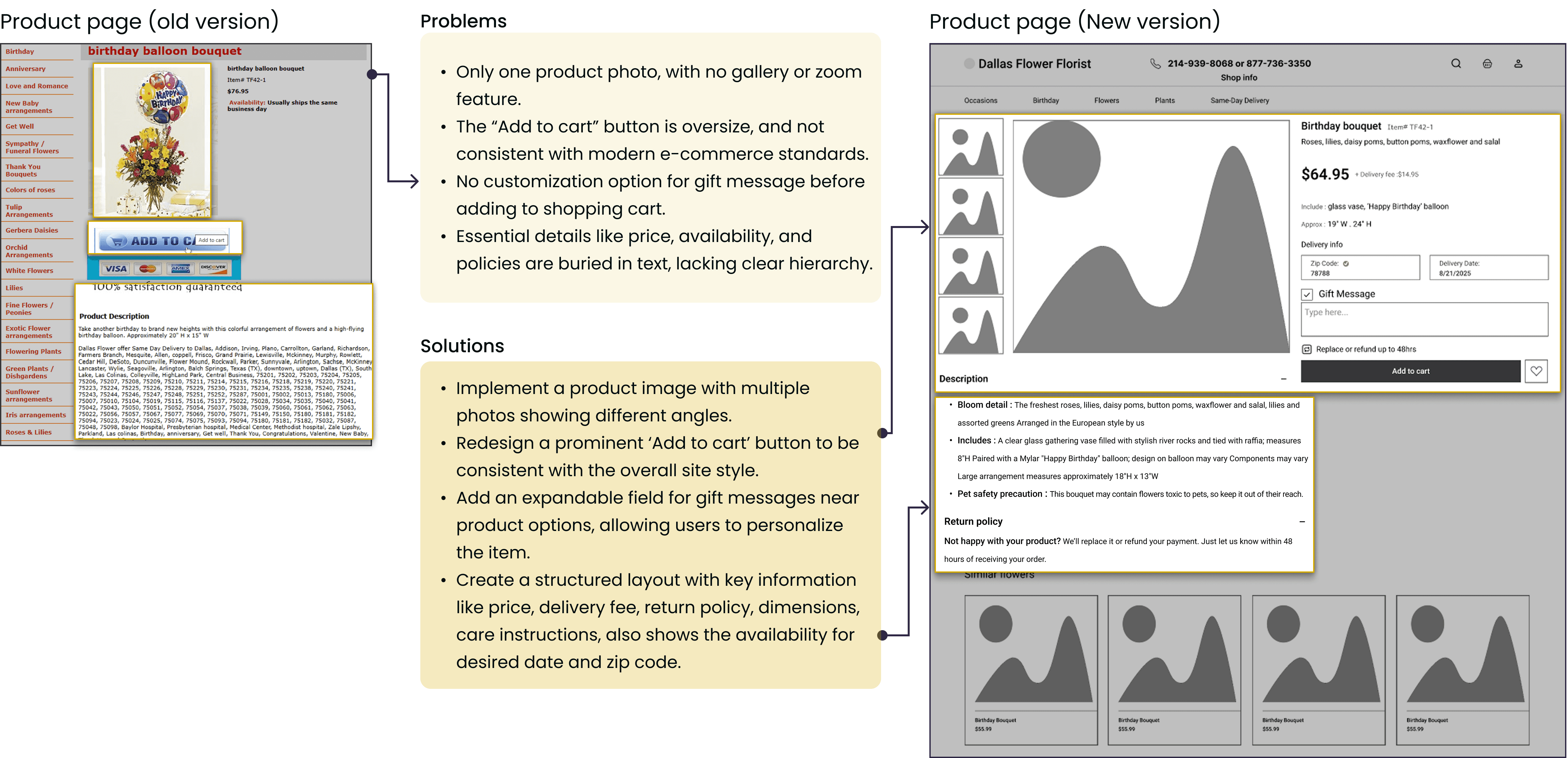
• A clear return policy ensures good value and ease of mind for buyers.
• Buying flowers is often an emotion-driven purchase tied to specific occasions.
• Clear payment processing is valued, including delivery fees and taxes.
• Limited flower knowledge makes it hard for customers to buy with confidence.
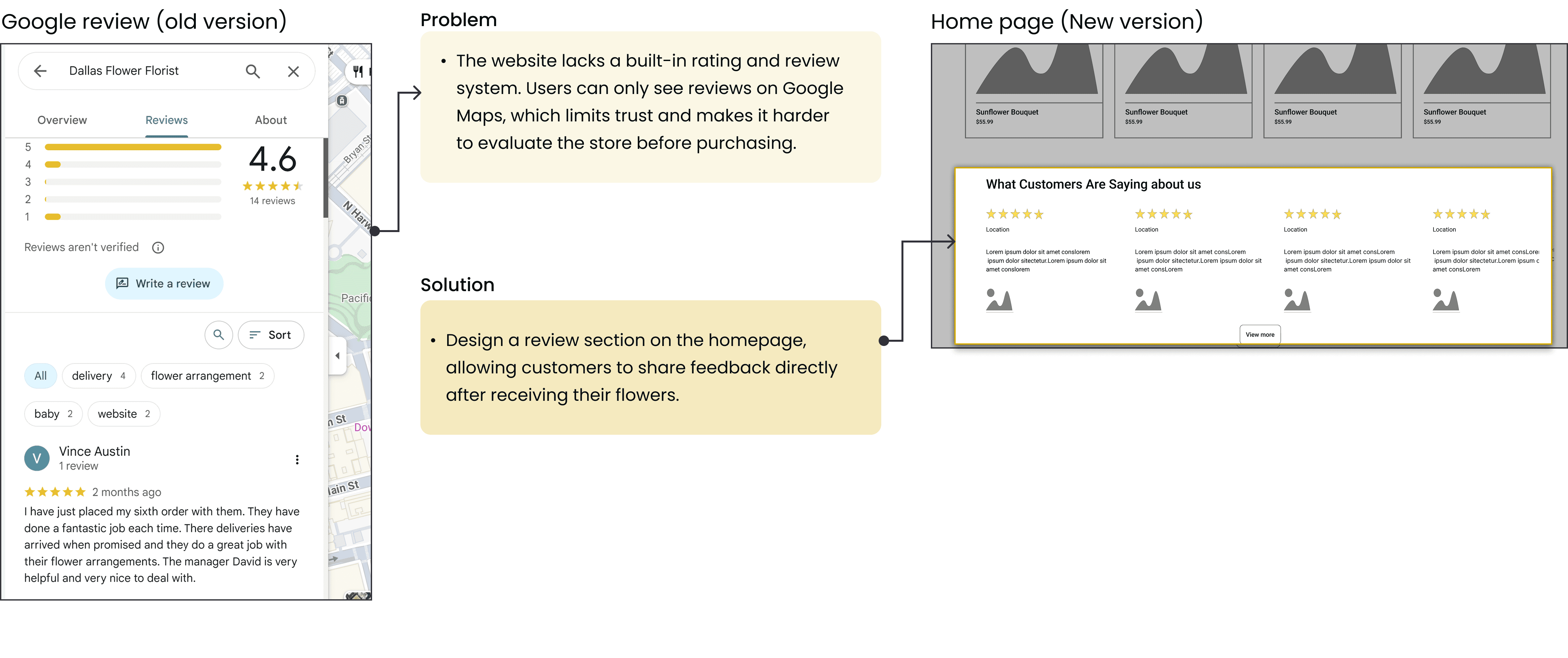
• Checking reviews is a common practice before making a purchase decision.

Persona
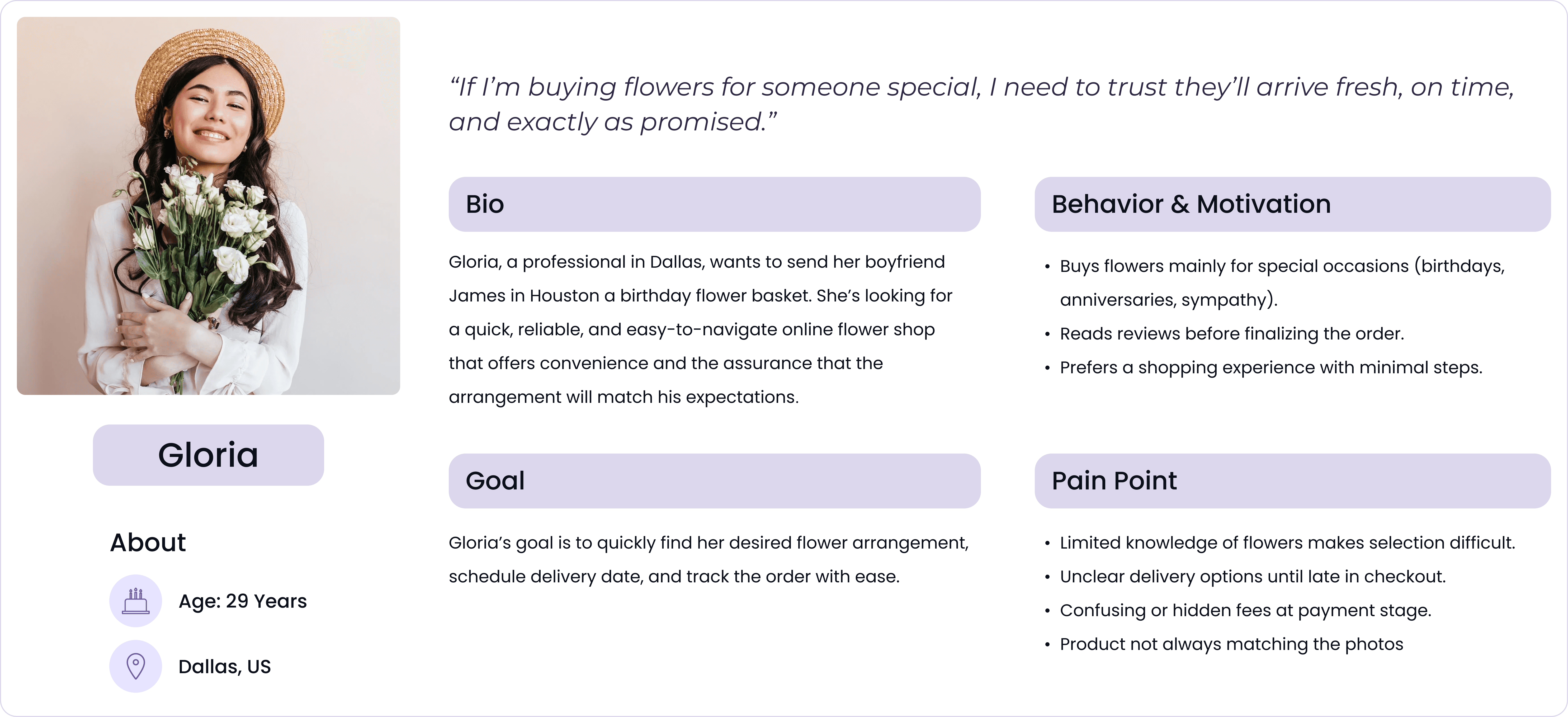
The insights I gained from interviews leading up to the persona. The main goal is to display those patterns and pain points, which allowed me to further empathise with users.
Task Flow and User Flow
Task and user flow illustrate the steps users follow to buy a Pram on our platform. It demonstrates their journey from opening the website to contacting the seller, highlighting key decision points and actions.


Site Map
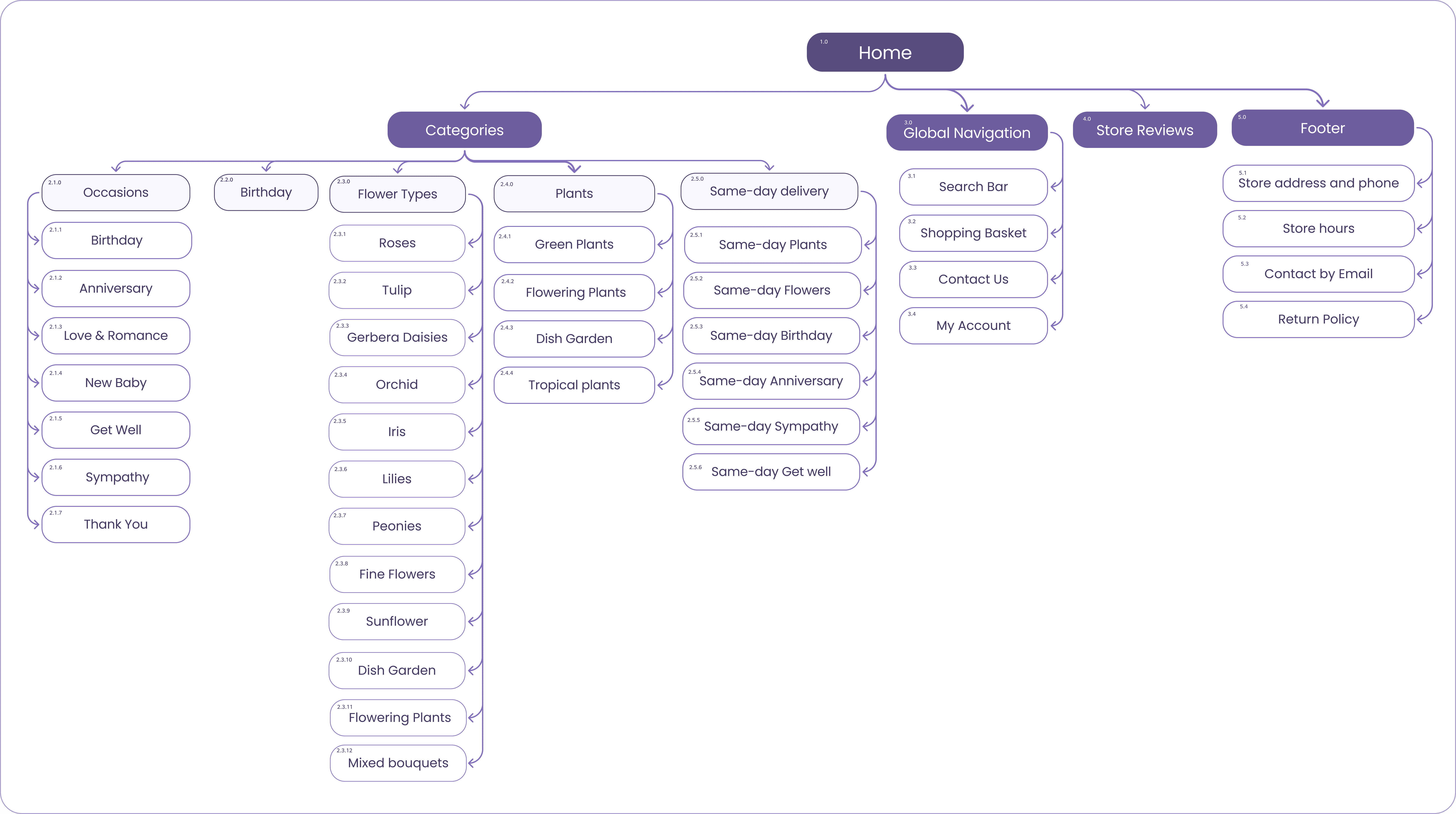
We created a site map based on Competitive analysis to ensure the website is intuitive and easy to navigate, aligning with users' expectations for finding features.

Ideation and Wireframing
After analyzing our research, we identified key challenges and began exploring solutions through design. We started with quick hand-drawn sketches to generate ideas, then developed mid-fidelity wireframes to refine the structure, test user flows, and visualize how our solutions addressed those challenges.
Useability test & iteration
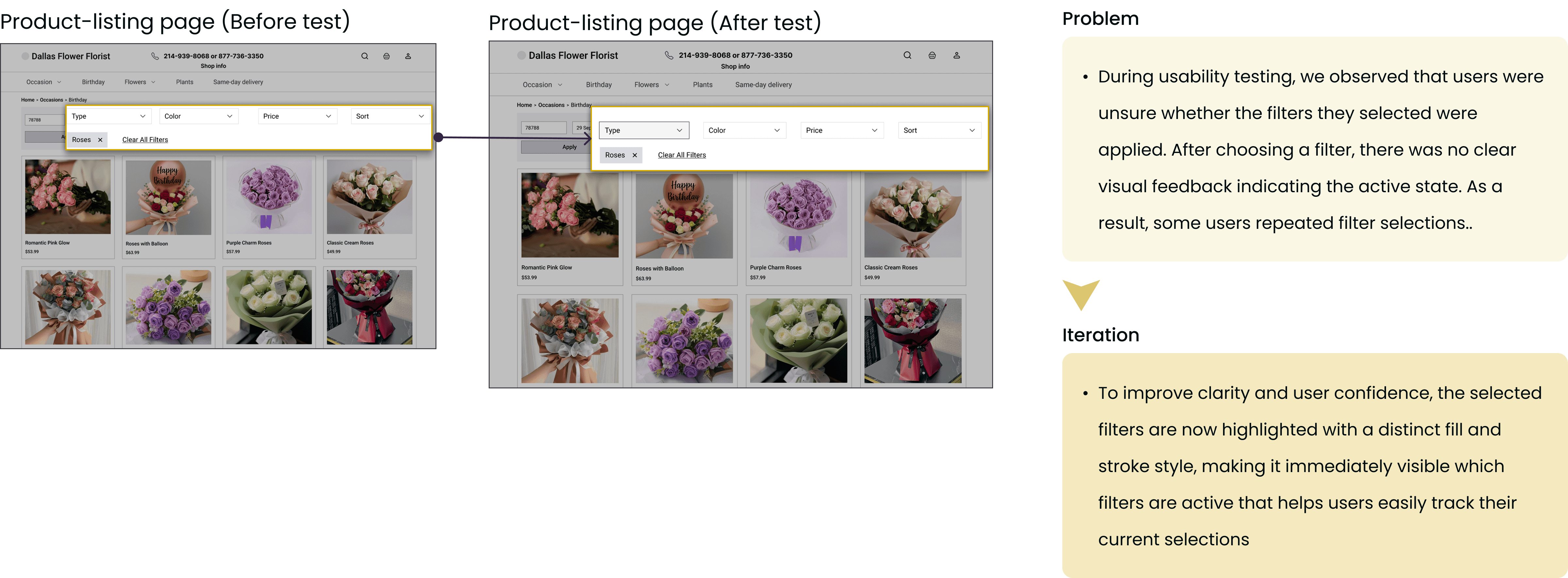
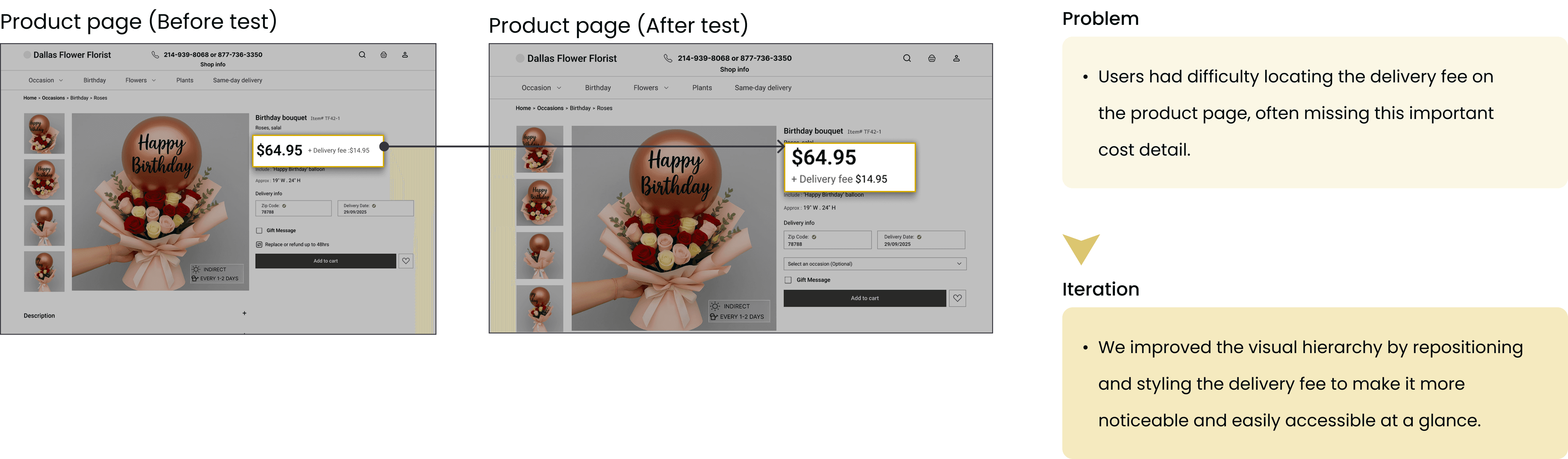
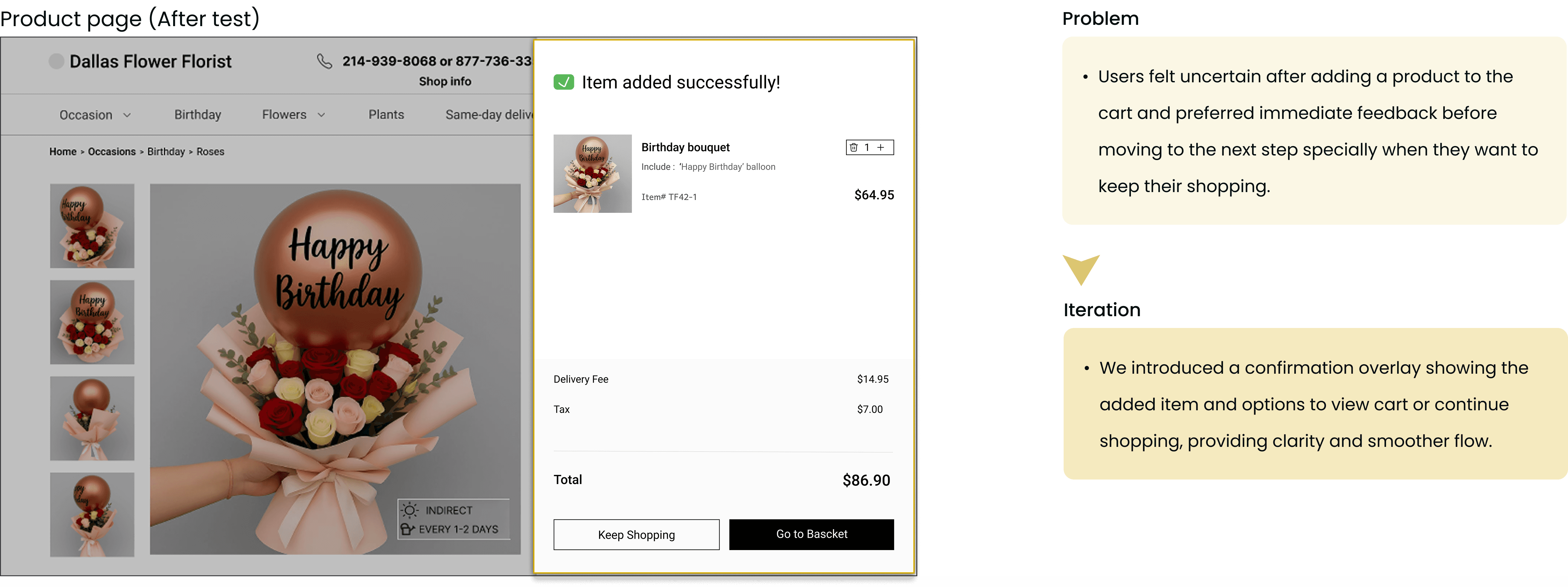
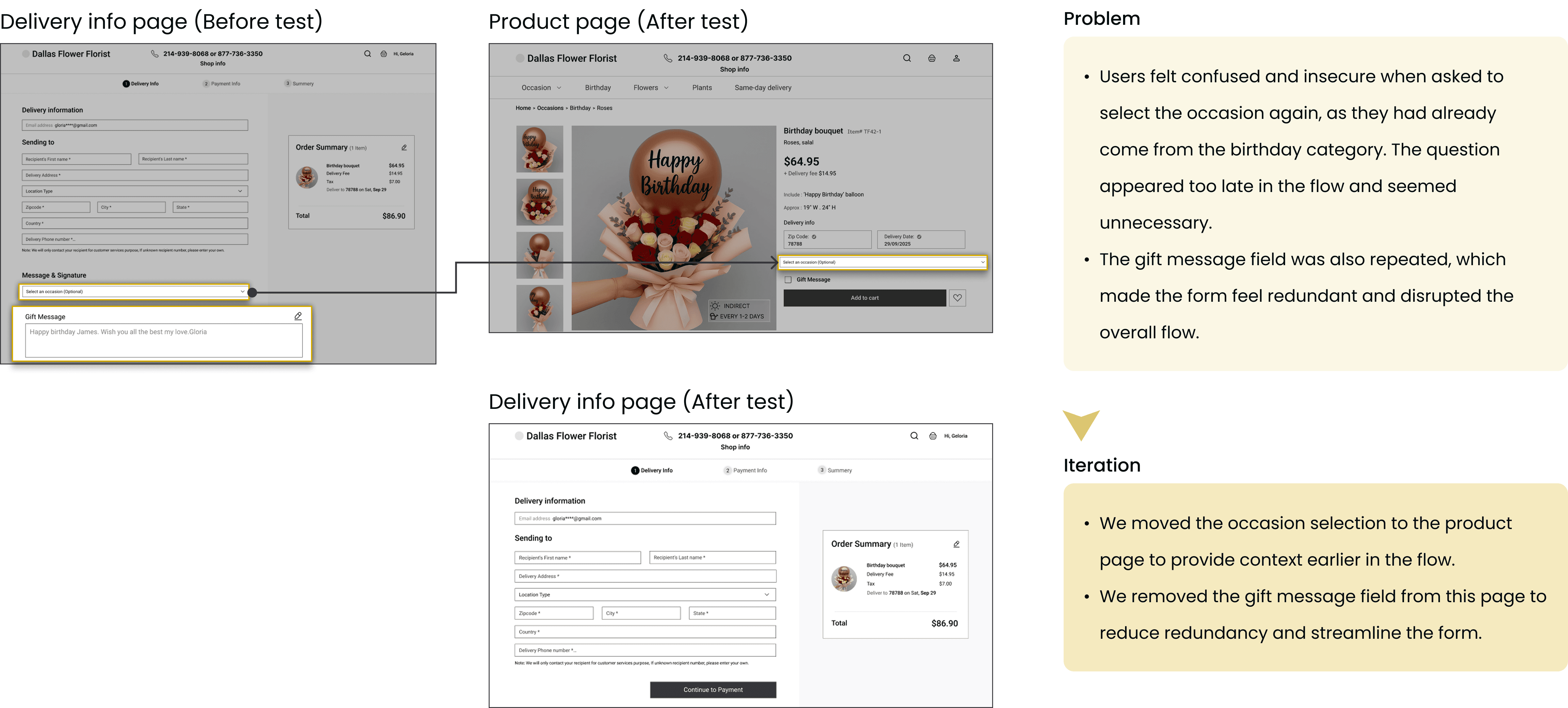
We conducted a moderated usability test in Maze using mid-fidelity wireframes to assess clarity and task flow. Four participants completed the test, revealing navigation issues and points of confusion. Insights from the results guided design iterations to improve clarity, efficiency, and user confidence.

Mid-fidelity Prototype
In this section, you can check out the complete final prototype.


What did I learn?
• This was my first project, and it gave me a new perspective on solving complex problems within a short timeframe.
• I learned not to focus on being right from the start but to embrace learning, iteration, and adaptation.
• The process taught me the value of experimentation and gave me tools to handle uncertainty with confidence.